
This autumn, Lille becomes the capital of humor and audacity. For the first time in their history, the 22 Regional Collections of Contemporary Art (Frac) unite in a single venue for an extraordinary event: the exhibition Éclats du rire ! (Bursting with Laughter!)
A historic gathering celebrating a unique heritage
The result of an unprecedented collaboration between lille3000 and the Platform network, this exhibition celebrates 40 years of passion and cultural decentralization.
This historic gathering highlights the richness of the French scene — from emerging talents to established artists — engaging in a dialogue with international creators.
By taking over all three floors of Le Tripostal (5,000 m2), the 22 Frac reveal the depth of their collections through the lens of irony, derision, subversion, and fantasy.

Humor as a critical tool
Far from the image of an elitist or austere art, Éclats du rire ! offers an effervescent journey where laughter becomes an instrument for reflection. From wordplay to subversion, the selected works challenge our assumptions with joyful irreverence. From the lightest humor to the most sarcastic, from the absurd to the satirical, the exhibition invites visitors to become active participants through emotion and wit.
An event for all audiences
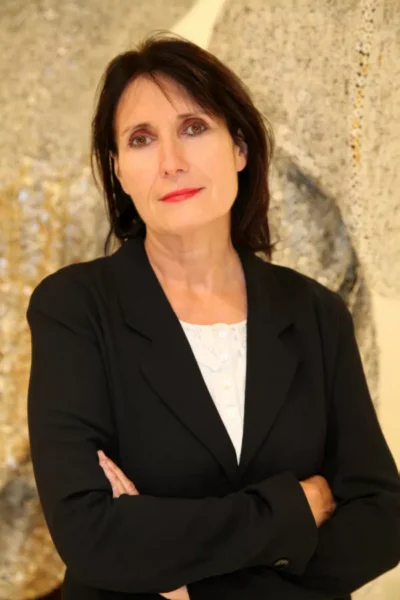
Curated by Caroline David, this exhibition was conceived as a generous and accessible experience. It speaks to all generations, proving that contemporary art can be as profound as it is irresistibly funny.
In collaboration with Platform, the network of Regional Collections of Contemporary Art.
Curator’s Note
Caroline David
Welcome to the exhibition Éclats du rire !.
Humor is often the unloved child of art history — too light to be taken seriously, too subversive to be innocent. Yet, it has never ceased to be one of the most formidable weapons artists have to comment on the world, challenge powers, and liberate our perspective. This conviction lies at the very heart of this exhibition.
Spread across 5,000 m² and the three levels of Le Tripostal, drawn from the collections of the 22 FRAC, the exhibition has been designed as a thematic and immersive journey, guiding the eye from the personal to the political, from self-directed laughter to an uncompromising critique of our society.
The Artists
Carlos Aires • Ivan Argote • Basserode • Glen Baxter • Ben • Jurgen Bey • Diego Bianchi • Marcel Broodthaers • Maurizio Cattelan • Jacques Charlier • Jean-Jules Chasse-pot • Claude Closky • Mathis Collins • Tony Cragg • François Curlet • Brice Dellsperger • Hélène Delprat • Wim Delvoye • John Deneuve • Hervé Di Rosa • Erik Dietman • Robert Doisneau • Jean Dupuy • Eric Duyckaerts • Ernest T. • Erró • Esther Ferrer • Robert Filliou • Daniel Firman • Peter Fischli & David Weiss • Thierry Fontaine • Samuel Fosso • Michel François • Jean-François Gavoty • General Idea • Pauline Ghersi • Piero Gilardi • John Giorno • Michel Gouéry • Raymond Hains • Jean Hélion • Hans Hemmert • Joël Hubaut • Rodolphe Huguet • Fabrice Hyber • Valerie Jouve • Arnaud Labelle-Rojoux • Stéphane Lallemand • Bertrand Lavier • Ange Leccia • Aurore Le Duc • Lou Le Forban • Natacha Lesueur • Guy Limone • Jacques Lizène • Clémentine Margheriti • Philippe Mayaux • Paul McCarthy • Tony Matelli • Annette Messager • François Morellet • Manuel Ocampo • Orlan • Laurina Paperina • Présence Panchounette • Bruno Peinado • Régis Perray • Guillaume Pinard • Julien Prévieux • Laure Prouvost • Radi Designers • Philippe Ramette • Guy Rottier • Batoul S’Himi • Peter Saul • Franck Scurti • Alain Séchas • David Shrigley • Roman Signer • Pierrick Sorin • Taroop & Glabel • Roland Topor • Endre Tót • Béatrice Utrilla et Bertrand Arnaud • Jean-Luc Verna • Martha Wilson • Nancy Wilson-Pajic • Erwin Wurm
Exhibition Tour & Themes
Spread across 5,000 m² and the three levels of Le Tripostal, drawn from the collections of the 22 FRAC, the exhibition has been designed as a thematic and immersive journey, guiding the eye from the personal to the political, from self-directed laughter to an uncompromising critique of our society.
THE ARTIST TAKES STAGE
Self-deprecation, cross-dressing, and face painting
GROUND FLOOR
A first chapter opens with a face-to-face encounter: where humor acts as an armor or a mirror. Artists use their own bodies, image, and identity as territories for experimentation and derision. Through cross-dressing, makeup, and self-deprecation, they boldly challenge notions of seriousness, gender, and social status.
This is demonstrated by the unclassifiable Jacques Lizène, self-proclaimed “artist of mediocrity,” as well as the pseudo-scientific, disconcerting performances of Éric Duyckaerts. Masks fall and reinvent themselves through identity metamorphoses by Samuel Fosso, holographic shifts by Pierrick Sorin, or the painter trampled by his model by Jean Hélion. Works created during lockdown by John Deneuve respond to Daniel Firman‘s “upcycled” mannequin, while conceptual or parodic stances by Marcel Broodthaers, Présence Panchounette, or Brice Dellsperger enrich this play of mirrors.
Finally, this chapter brings these approaches into dialogue with the pioneering, feminist, and subversive commitments of Orlan, Martha Wilson, or Esther Ferrer — proving that putting oneself on stage remains the most direct and impactful way to challenge the audience.
THE ART OF SUBVERSION
Art history parodies, wordplay, and everyday objects
1st floor
On the first floor, laughter shifts targets to directly attack the institution, established codes of art and its history, as well as language games. This is the realm of market disruptors and genius parodists, faithful to the pioneering spirit of Robert Filliou, who opens this level right from the staircase with his famous Mona Lisa. Alain Séchas truly sets the tone with his cat inspired by Donatello’s David. The essential Ben mischievously questions the very value of the artwork, while Arnaud Labelle-Rojoux and Ernest T., or Présence Panchounette and Taroop & Glabel, offer a playful and erudite reinterpretation of their peers and cultural history.
The rigorous geometries of François Morellet play with Kama Sutra positions, echoing nearby the international insolence of Maurizio Cattelan, who shakes up art world snobbery with gestures as hilarious as they are biting. Pauline Ghersi‘s sharp gaze on the art world and Aurore Le Duc‘s score-settling complete the desacralization of the institution.
This wave of derision also passes through a thorough hijacking of language, words, and imagery: from the text-based works of John Giorno to the proverbs of Annette Messager or Jean-Luc Verna, from the endless anadiplosis of Claude Closky to the distinctly British humor of Glen Baxter. Finally, the art of reinventing everyday objects expresses itself through joyful — sometimes poetic, sometimes cynical — subversions by Fabrice Hyber, Laure Prouvost, and Wim Delvoye. Artists short-circuit and reinvent them, such as the Saboosh by François Curlet, the unpredictable performances of Roman Signer, the repainted fire extinguisher by Bertrand Lavier, or the Kangaroo Tote Bag by General Idea.
THE ARTIST QUESTIONS THE WORLD
Social and political critique… The balance of the world
2nd floor
Reaching the climax of the exhibition, laughter becomes resolutely political, incisive, and societal, forcefully questioning the balance of the world. After poking fun at oneself, then at the codes of the art world, the artist seizes humor as a weapon of resistance and social critique. Through satire, biting irony, and the absurd, the works presented here dissect the flaws, tensions, and paradoxes of our time.
This sense of tension comes strikingly to life in Batoul S’Himi‘s World Pressure pressure cooker, a powerful metaphor for contemporary geopolitical tensions. The biting, monumental irreverence of Paul McCarthy and Peter Saul interacts with the corrosive, graphic universe of Roland Topor, the saturated pop compositions of Erró, or the history-laden torn posters of Raymond Hains.
Facing the drifts of our societal systems, artists take a vital step sideways: Julien Prévieux ironically subverts the absurdities of work culture and technology, while the duo Peter Fischli & David Weiss explores the banality of daily life with false philosophical innocence. Hélène Delprat‘s Big Bad Wolf near Paul McCarthy‘s Spaghetti Man, along with the cultural hybridizations of Bruno Peinado and the baroque collisions of Carlos Aires, finish breaking down our certainties and established powers. Laughter becomes the vector for essential awareness — a final space of freedom in the face of the world’s complexity.
While humor may seem trivial, the artists assembled here convincingly prove otherwise: to laugh is to resist. It means refusing resignation, disrupting certainties, and keeping alive the critical space that any democratic society must preserve. As you leave this exhibition, we hope you will carry away not only a smile, but also that fresh, insightful perspective that art alone can offer.